E Commerce Support Operations Guide


Most advice on ecommerce support centers on deflecting simple questions, but that approach falls short when real problems hit: deliveries go missing, refunds get stuck, returns get complicated, or good customers wind up flagged as risks. That’s where we come in. At BUNCH, we set up managed ecommerce support teams for chat, phone, email, and order operations, using automation for common tasks and real people for the tickets that actually require judgment.
The most effective support model keeps things clear: automate the predictable, and put trained people on anything that needs human attention, empathy, or policy decisions. As automation handles more routine contacts, what’s left tends to be more complex. This is where having real people on your team makes the biggest difference.
E-Commerce Support in Practice
Support doesn’t end at checkout. Done right, it protects repeat business, cuts unnecessary losses, and builds trust. A late delivery can easily turn into a canceled order. Delayed refunds often create more work as customers reach out again. A questionable return, left unchecked, can expose the business to loss.
Practical rule: Only automate an answer once you fully understand the decision it’s based on.
Over-automation often backfires. Early on, we let a bot answer ‘Can I return this?’ for a client. It cited the 30-day window correctly, but the customer was asking because the item arrived cracked. The bot treated it as a policy question, the customer wrote back angry, and an agent had to rebuild the trust from scratch. Now any return question that mentions damage, a wrong item, or a gift goes to a person.
Take returns: what looks like a simple policy question might be a customer trying to decide whether to buy again. A delivery complaint can point to issues with the carrier, the warehouse, or an address error. Chargeback disputes need a real look at evidence and often require a judgment call.
One client’s ‘where is my package?’ tickets kept spiking every Monday. The cause wasn’t the carrier. Their warehouse closed early on Fridays, so weekend orders sat unshipped until Monday. We only caught it because an agent noticed the same pattern across tickets.
We built our teams for these situations. Our managed teams step in to review tickets in depth, communicate clearly, and escalate when needed.
Why Real People Still Matter
Automation is great for order statuses, tracking, and common policy questions. It falls short with failed deliveries, refund disputes, tricky returns, damaged items, or conflicting account info. These cases need people who can look at evidence, apply policy, reassure customers, and find the right outcome.
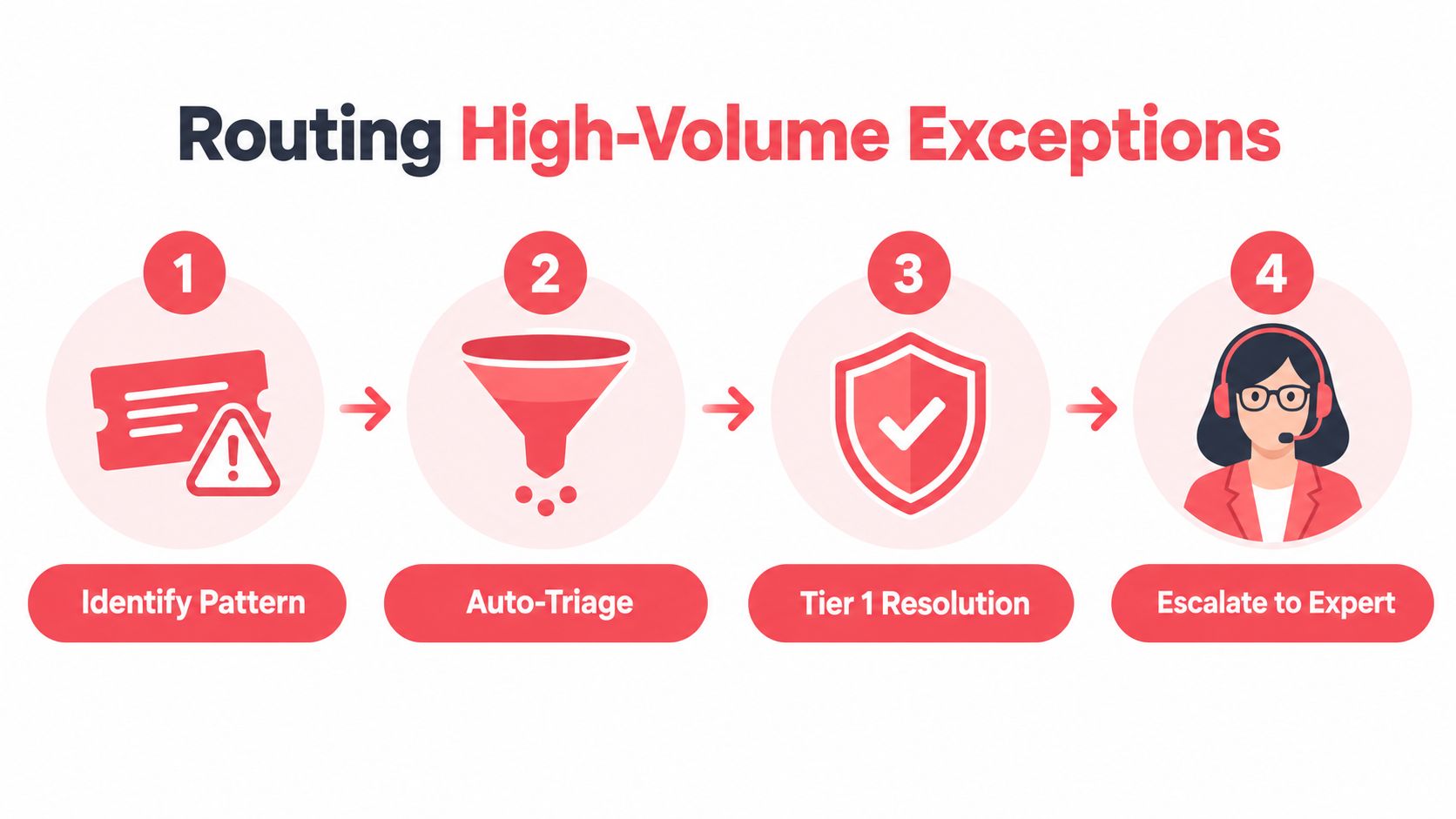
Coverage That Matches Demand
Ecommerce doesn’t stop at 5 p.m., so support can’t either. You don’t need humans responding instantly to every ticket, but urgent or high-risk issues should always have a path to a real person.
A balanced approach typically includes:
- Asynchronous queues: Handle lower-risk issues by email or ticket
- Live coverage: Staff chat and phone for busy periods or when something goes wrong
- Overnight triage: Automate safe updates, but let urgent problems escalate to humans
- Clean handoffs: Pass order details and ticket history across shifts so nothing gets lost
Our customer support outsourcing service follows this model. The aim is steady, reliable support that stays consistent, sticks to policy, and handles tough situations well.
Workflows for Difficult Tickets
Order status checks make up most support volume, which is why they’re easy to automate. But when exceptions pop up, teams need clear, documented workflows.
Separate order tracking from late deliveries, partial shipments, address fixes, damaged packages, return and refund issues, payment problems, and suspected fraud.
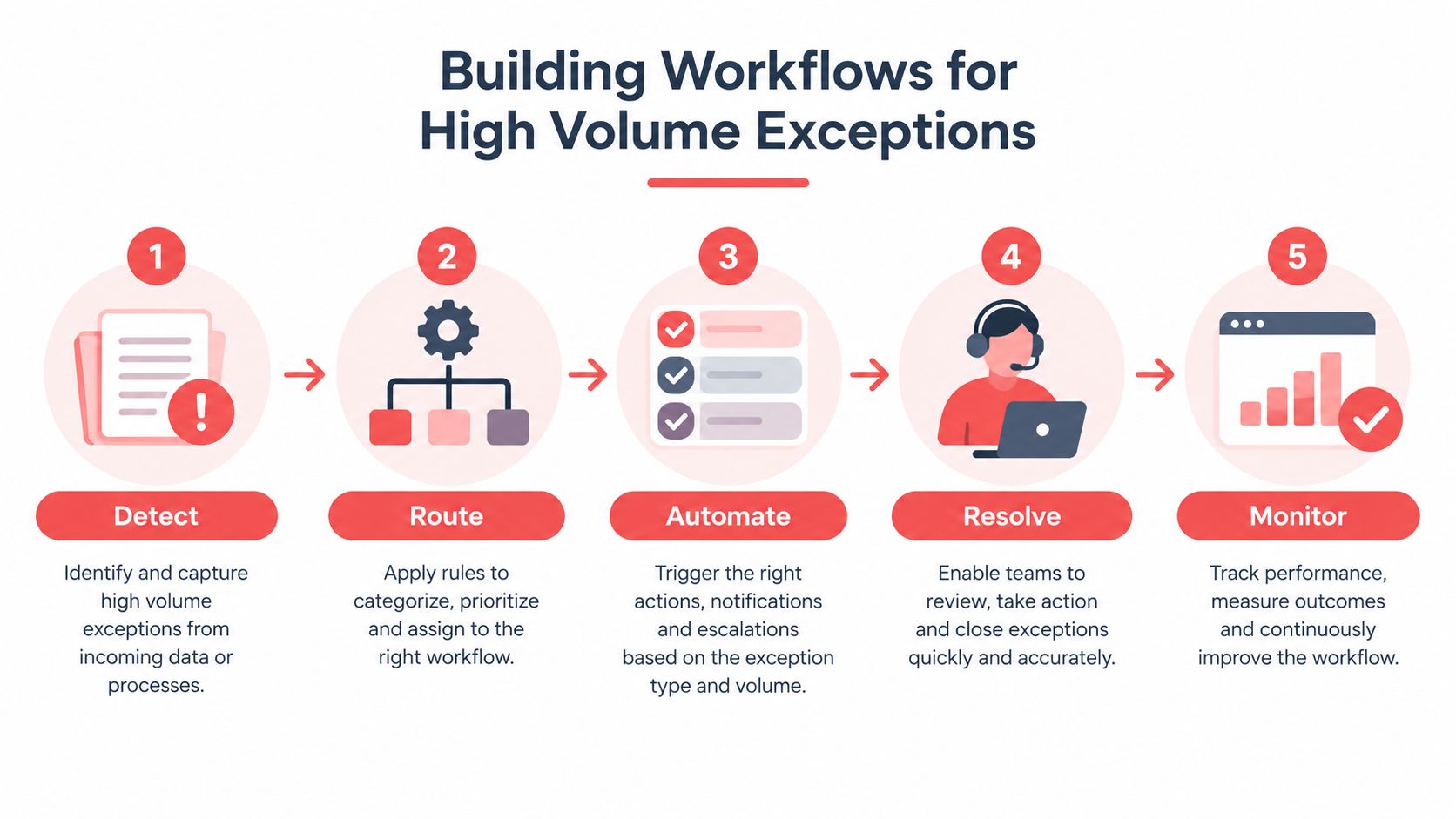
Here’s a straightforward routing process:
- Detect the pattern: Look at contact reasons next to order events
- Route by consequence: Send simple stuff to self-service, but direct failed deliveries, repeat refund requests, high-value orders, and tricky account problems to skilled agents
- Automate what’s safe: Pull tracking info, return windows, and order history automatically
- Let people handle the rest: Have agents review details, explain decisions, and use judgment where the rules don’t fit
- Monitor exceptions: Track repeated issues, escalations, and overrides to spot breakdowns
Customers shouldn’t have to repeat themselves just because their ticket changed hands. We use structured handoffs and clear case ownership to prevent this.
Why Brands Choose BUNCH
Brands pick BUNCH when they need help with recruiting, scheduling, training, quality checks, cross-channel coverage, and managing tricky post-purchase support.
- Scale up support without hiring an entire team internally
- Cover chat, phone, and email as needed
- Make sure real people handle complex cases
- Keep refunds, returns, and delivery exceptions consistent
- Organize order operations and escalation routes
We were founded in 2017 and have offices in Metro Manila and Cavite. We provide managed customer support and CX teams for technology companies and ecommerce brands. For teams that separate back-office order tasks from customer communication, outsourcing ecommerce order management is another way we can help.
Technology and QA That Support People
Technology should help your agents work smarter, not slow them down with disconnected systems. Integrate your helpdesk with order management, payment records, inventory, and shipping so agents have the full picture before responding.
The best support metric is whether your first response gets the case closer to a real solution.
Monitor first reply times by channel, how long resolution takes by type of request, repeat contacts, escalation rates, reopens, refund losses, and QA findings.
If you need a guide for warehouse and returns responsibilities, check out this resource on choosing a reverse logistics partner. Keep in mind, support always owns customer communication.
The same applies to chargebacks: keep order confirmations, delivery records, customer messages, refund logs, and policy acceptance together in one case file.
Should every ecommerce brand offer 24/7 human support?
Not necessarily. Every brand should have a safe way to receive and sort after-hours requests, but live human coverage should match the urgency of the channel, the complexity of orders, and customer risk.
What does BUNCH help with most?
We help brands scale their ecommerce support across chat, phone, email, and order operations, especially when tough tickets need real human input.
We build and manage specialist teams for ecommerce support, covering chat, phone, email, order operations, and 24/7 support. Get in touch with us at BUNCH to find out if a managed support model fits your needs for volume, policy, and exception handling.
About the Author
Stay in the Loop!
Related Content

How BUNCH Became a 24/7 Operations Powerhouse
Our 24/7 outsourcing services ensure seamless, efficient operations for businesses worldwide. From shift scheduling to cultural sensitivity, we guarantee continuous support in all time zones.

8 Managed Services Examples for Tech Operations
Explore 8 managed services examples across labeling, moderation, support, KYC and AI safety, with scope, SLAs, outcomes and practical lessons.

Amazon Mechanical Turk Is Shutting Down: Your Outsourcing Alternative - BUNCH
Amazon confirmed on August 25 that Mechanical Turk will close permanently on September 30, 2026, ending 21 years of human-powered tasks Bezos once called “artificial artificial intelligence.”